Important Warning: This is a historical archive text, not a current design, specification or instruction manual for the construction and operation of a high frequency dryer. Frequencies, temperatures, electrodes, generators, fences, grounding, blockages, conductors, protection against fire and exposure to electromagnetic fields must be designed and checked according to valid regulations, manufacturer’s documentation and by authorized experts.
This text is not an offer of dryers, high-frequency generators or electrical design services of Savo Kusić. The current offer is focused on windows, doors and related solutions.
Historical principle of high-frequency drying
Drying of wood in the electric field of high-frequency currents is done much faster than drying in steam dryers with periodic or continuous action. Unlike other drying methods, here drying is done due to the fact that the wood is affected by the heat generated in the mass of the wood itself.
The heat generated in the wood during drying in the electric field of high-frequency currents is distributed evenly over the entire section. Due to large heat losses through the surface of the drying wood, a temperature and humidity drop occurs between the center and the periphery of the drying wood. This is the main factor in accelerating the drying process in the electric field of high-frequency currents.
Observations show that the humidity of the wood on the surface at the end of drying is often higher than the humidity of the inner layers. This causes a decrease in internal stresses in the wood, and therefore, a decrease in the amount of splinters during drying.
Figure 1 shows the basic layout of electrodes in industrial-type dryers. Drying wood in the electric field of high-frequency currents is more expensive than drying in steam dryers, as it requires a higher consumption of electricity. There is a combined way of drying wood, which consists in drying the wood in an ordinary steam dryer, and then in an electric field of high-frequency currents. This way is the most effective. It accelerates the drying process 2 and several times compared to drying times in steam dryers.
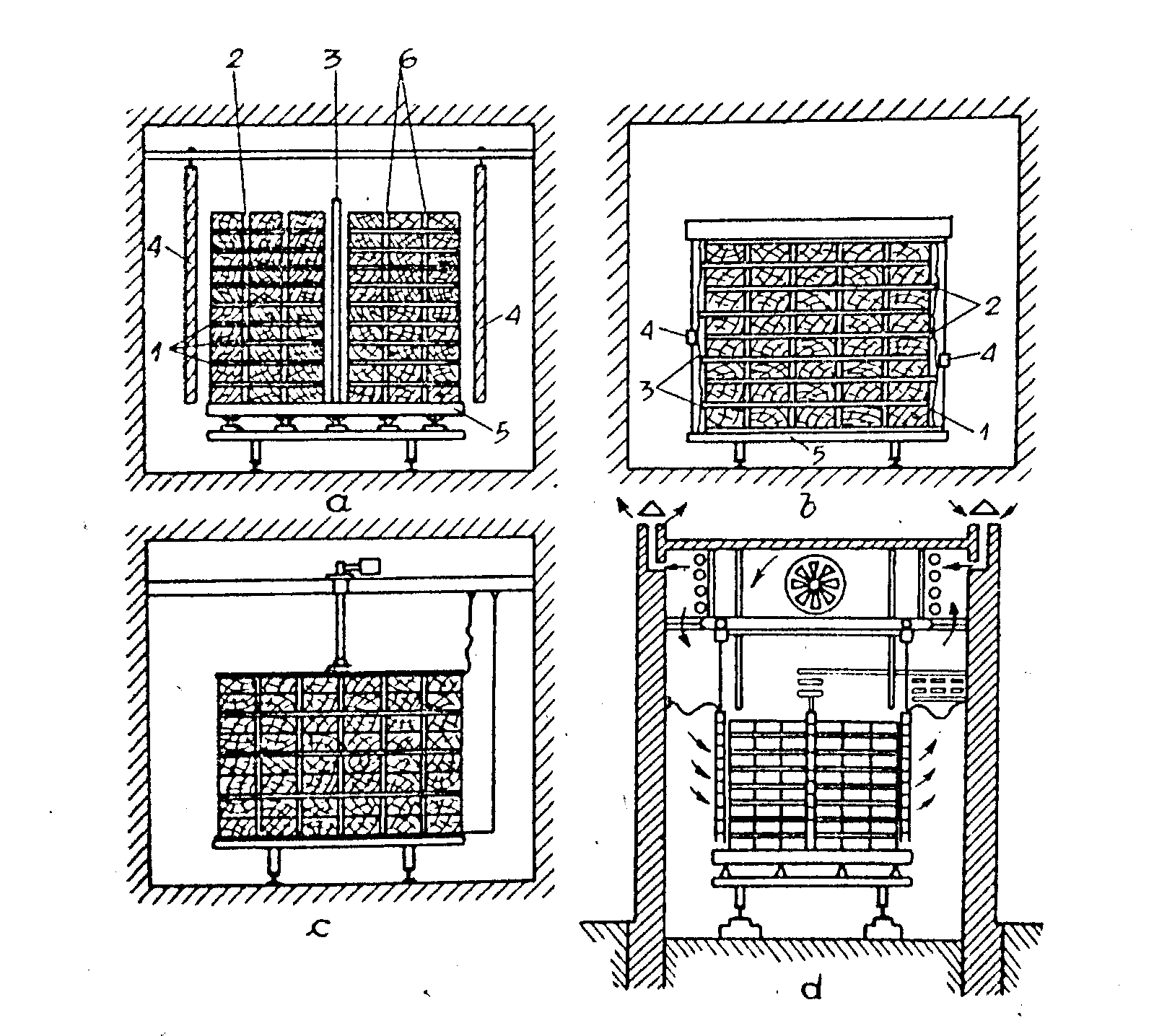
Figure 1: Variant electrode positions in dryers
Historical application by wood species
Practice has shown that birch, beech, alder and aspen dry well in the electric field of high-frequency currents; pine and spruce dry worse; oak and larch dry very badly.
Table 1 shows the modes of drying wood in the electric field of high-frequency currents.
- Mild mode is used for drying wood of those species that are difficult to dry - oak and larch, as well as beams cut from heartwood.
- Middle mode is used for drying sawn timber from coniferous wood.
- Hard mode is used for drying sawn timber from birch, beech, alder and aspen wood.
When drying wood in the electric field of high-frequency currents, the difference in the temperature inside the wood and the temperature of the surrounding air is of great importance.
Historical drying regimes
| Pointers | Unit of measure | Modes | ||
|---|---|---|---|---|
| mild | medium | sharp | ||
| Wood temperature | degrees | 80-85 | 100-105 | 110-115 |
| Intensity of temperature rise | step – hour | 40-50 | 60-70 | 70-100 |
| Cooling intensity after drying | step – hour | 8-10 | 10-12 | 15-20 |
| Relative air humidity | % | 80 | 70-80 | 50-60 |
| Wavelength | m | 900-1200 | 700-1000 | 400-900 |
| Drying time for thickness; 25 mm 50 mm 100 mm 150-200 mm |
hours “ “ “ |
– – 15-17 22-36 |
4-5 7-8 11-12 – |
3-4 5-6 – – |
Historical protective conditions
The following conditions must be met during the manufacture and exploitation of devices for drying wood in the electric field of high-frequency currents:
- all high-frequency current rooms must be fenced off with a network;
- all metal devices in the room must be grounded;
- the generator room and dryers must be made of non-combustible material
- work safety regulations on high-frequency current installations must be met exactly;
- entry to the generator room must be strictly prohibited for the unemployed;
- the dryer door must be automatically blocked with the generator;
- the conductors for the current outlet must be securely limited.